Why Social-Emotional Learning Starts Earlier Than We Think


When people hear “social-emotional learning,” what do you think they often misunderstand about it?
Why do you believe emotional learning begins much earlier than most adults realize?
What are some everyday moments where you see social-emotional learning happening naturally?
How does early emotional support impact a child’s ability to learn later on?
What signs tell you a child feels emotionally safe in their environment?
How does prioritizing emotions change the way a child shows up each day?
If families could focus on one SEL skill early, what should it be and why?

What people often misunderstand about social-emotional learning (SEL)
When people hear “social-emotional learning,” they often think it means teaching children to talk about feelings all day or lowering expectations around behavior. In reality, SEL is about helping children understand themselves, manage emotions, build relationships, and make safe, thoughtful choices. It does not replace structure or discipline—it strengthens them. A child who understands their emotions is more capable of following rules, listening, and learning.

Why emotional learning begins earlier than most adults realize
Emotional learning begins long before a child can speak. Infants and toddlers are constantly learning through experience: how adults respond to their cries, how comfort feels, whether the world is predictable or chaotic. These early interactions shape how children handle stress, trust others, and respond to challenges later on. By the time a child enters preschool, their emotional foundation is already forming.
Everyday moments where SEL happens naturally
Social-emotional learning happens in small, ordinary moments:
Waiting for a turn during play
Being comforted after a fall
Hearing “I understand how you feel”
Watching adults stay calm during stress
Practicing sharing, apologizing, or asking for help
These moments may seem simple, but they teach patience, empathy, resilience, and self-control—skills children use for life.
How early emotional support impacts learning later on
Children who feel emotionally supported are more open to learning. When a child feels safe, their brain is free to focus, explore, and problem-solve. Without emotional safety, the brain shifts into survival mode—making it harder to concentrate or retain information. Early emotional support builds confidence, curiosity, and a willingness to try, which directly affects academic success later.

Signs a child feels emotionally safe
Emotionally safe children often show it in subtle ways:
They express feelings without fear
They ask questions and take risks
They recover from mistakes more easily
They form relationships with peers and caregivers
They feel comfortable being themselves
Emotional safety does not mean a child never struggles—it means they trust they will be supported when they do.
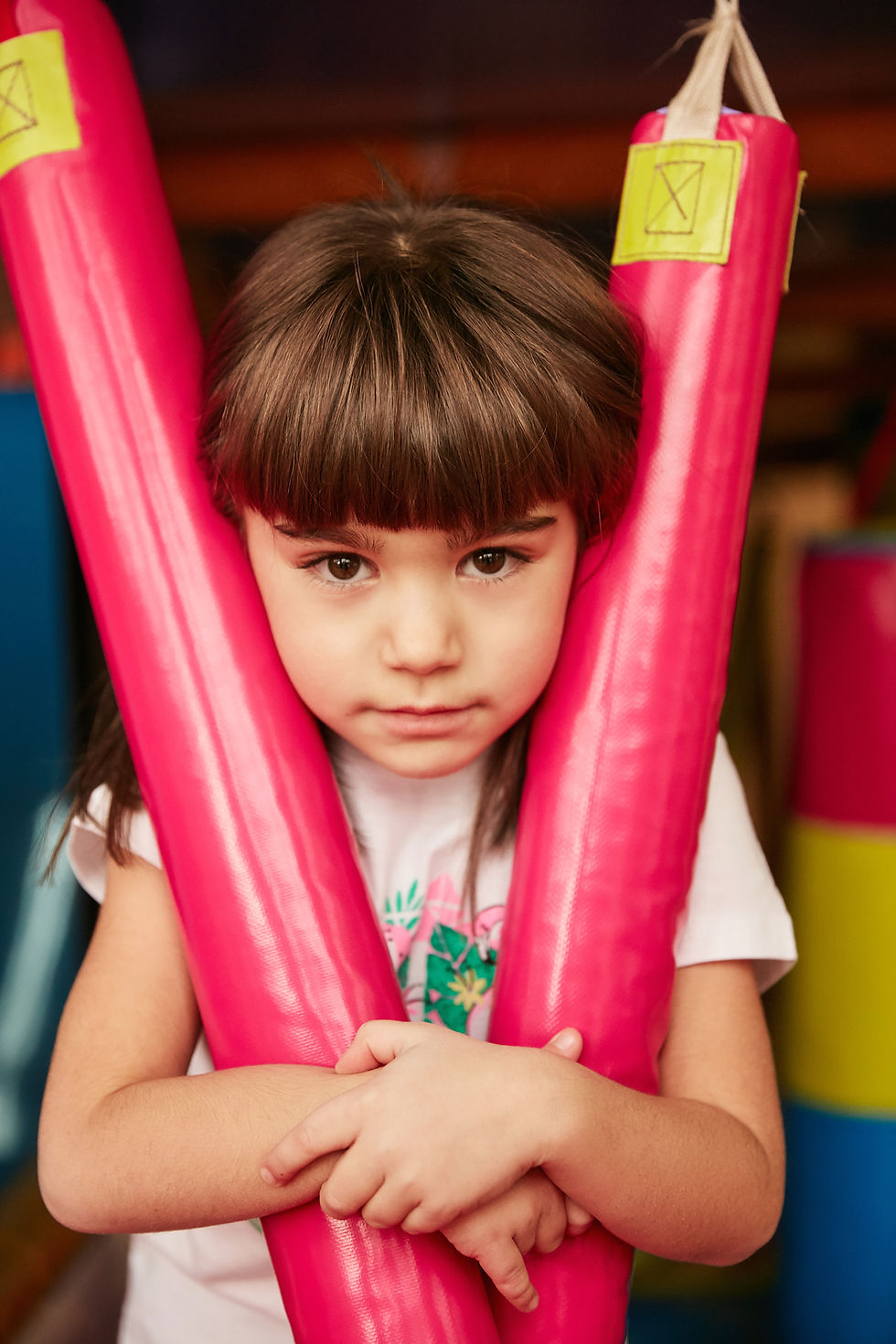
How prioritizing emotions changes how a child shows up each day
When emotions are acknowledged and supported, children arrive more regulated and ready to engage. They are better able to handle transitions, communicate needs, and interact with others. Instead of reacting impulsively, they begin responding thoughtfully. Over time, this creates children who are more confident, cooperative, and independent.
The one SEL skill families should focus on early—and why
If families could focus on one social-emotional skill early, it should be emotional awareness. Helping children name and understand what they feel builds the foundation for everything else—self-control, empathy, communication, and resilience. When a child can recognize emotions, they can learn how to manage them. That skill supports relationships, learning, and well-being well into adulthood.


Comments