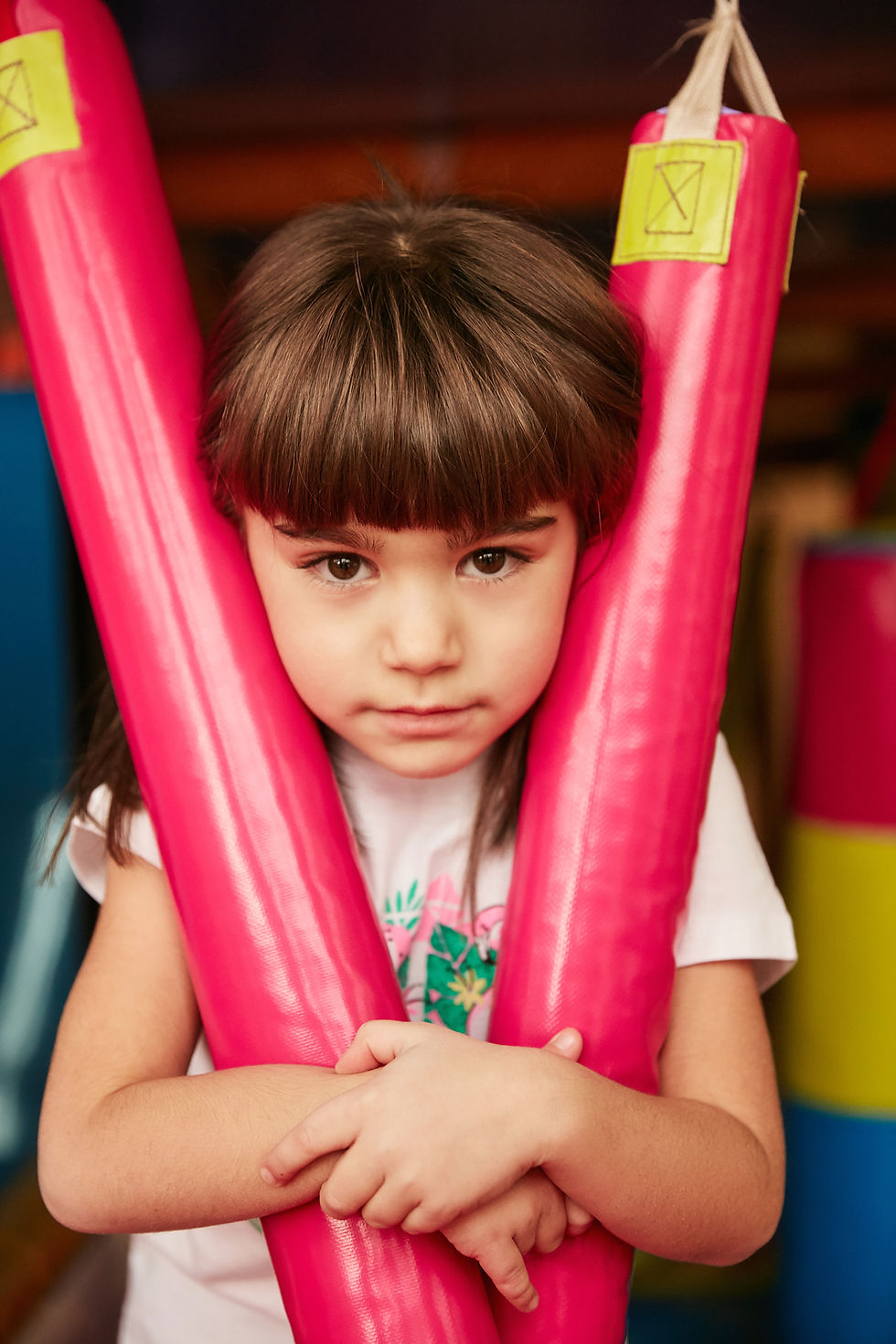
Young children feel big emotions long before they have the words to explain them. Learning to name those feelings is one of the most important steps in early emotional development, and it lays the foundation for confidence, communication, and healthy relationships.
Why is naming emotions such a powerful tool for young children?
When children can put words to what they feel, emotions become less overwhelming. Instead of feeling confused or out of control, they begin to understand what is happening inside their bodies and minds. Naming feelings helps children realize that emotions are normal, manageable, and something they can talk about.

What happens when children feel emotions but don’t have the language to express them?
Without words, emotions often come out through behavior. Tears, frustration, yelling, or withdrawal are common ways young children communicate unmet emotional needs. These behaviors are not “bad,” they are signals. When children lack emotional language, they may feel misunderstood or unheard, which can increase stress and insecurity.
How do adults sometimes unintentionally dismiss children’s feelings?
Phrases like “You’re fine,” “It’s not a big deal,” or “Stop crying” are often meant to comfortbut they can unintentionally minimize a child’s experience. When feelings are dismissed, children may learn to hide emotions instead of understanding them. Over time, this can affect trust and emotional confidence.
What phrases or approaches help children feel seen and understood?

Simple, validating language makes a big difference. Saying things like, “I see you’re feeling frustrated,” or “It looks like you’re sad because that was hard,” lets children know their feelings matter. Labeling emotions without judgment helps children feel safe and supported while learning new words.
How does emotional awareness affect a child’s confidence?
Children who understand their emotions feel more in control. They learn that feelings don’t define them—they inform them. Emotional awareness supports problem-solving, self-regulation, and social skills. Confident children are not those without emotions, but those who know how to handle them.
What changes do you notice in children once they can express how they feel?
As emotional language grows, behavior often improves. Children begin to ask for help, express needs, and recover from challenges more quickly. They communicate more clearly with peers and adults and show greater independence and resilience.

How can families reinforce emotional language at home?
Families can support emotional learning by naming feelings during everyday momentsduring play, routines, and even challenges. Talking about emotions in books, reflecting on the day, and modeling emotional expression help children practice these skills in a safe, familiar environment.
Helping children name their feelings isn’t about stopping emotions; it’s about empowering children to understand themselves. When children feel seen and heard, confidence naturally follows.